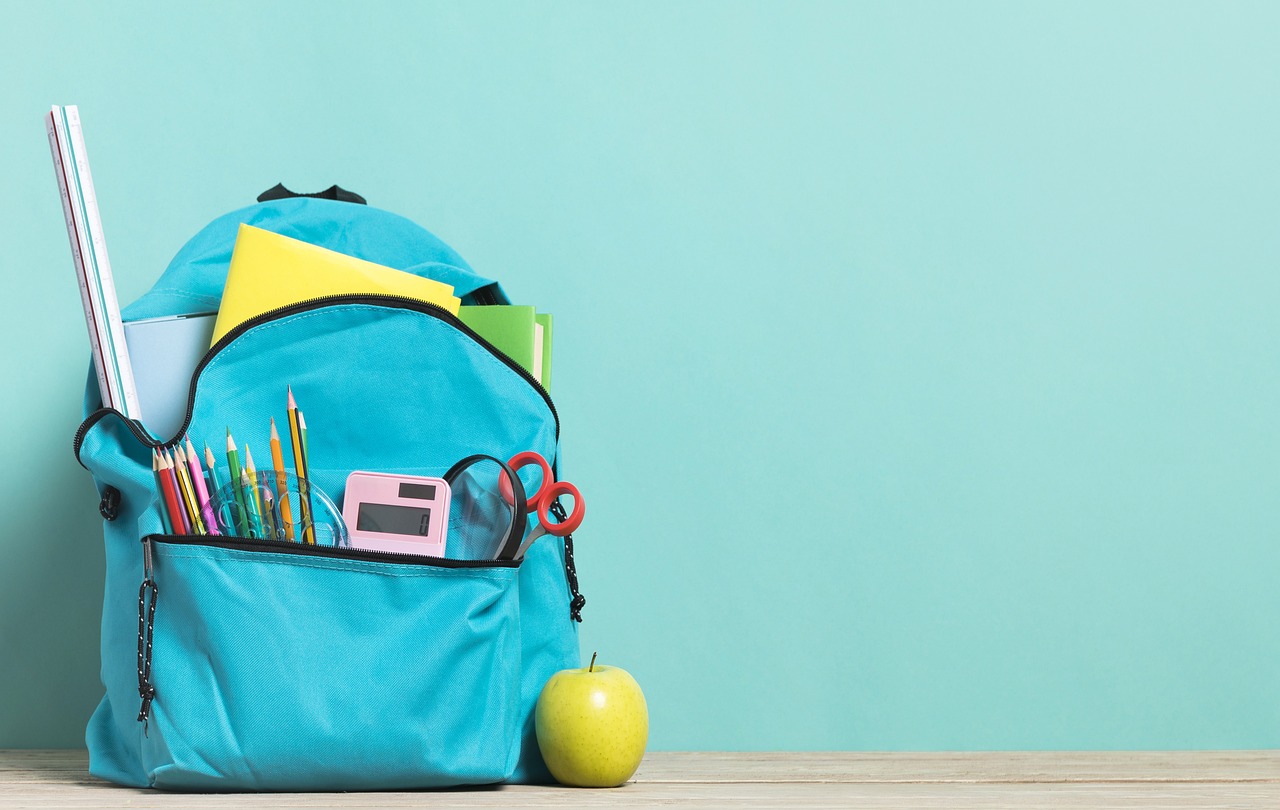
A packing list only helps when the items can be found. If the contents of your bag end up in several random drawers after each trip, the next morning begins with another search. Set aside a small unpacking area and decide what returns to the bag, what needs attention and what should stay at home.
Separate three actions
First remove anything that needs dealing with after the journey, such as a used lunch container. Next put away the belongings needed at home. Finally check the basic kit for the next day. Avoid trying to do all three by adding fresh items to an unpacked bag. That makes omissions harder to notice and encourages carrying unnecessary weight.
Choose a modest preparation point
A section of a shelf or a suitable container may be enough. Give it a clear purpose and keep it out of walking routes. Store items that need protection according to their requirements rather than leaving them in the most visible place. Agree on arrangements where the space is shared. Someone else's accessories do not become communal merely because they land on the same shelf.
Write down the exceptions
Use a short checklist for the regular kit and add only the unusual items required for a particular day. After a week, remove anything you do not need and change the order if it is inconvenient. You do not have to buy a special organisation station before trying the routine. First see whether separating unpacking from preparation improves the morning. You can then choose any additional container around a function you have actually tested.